
Why an R-1 Religious Worker Visa Lawyer Is Essential for Seamless Clergy Transfers

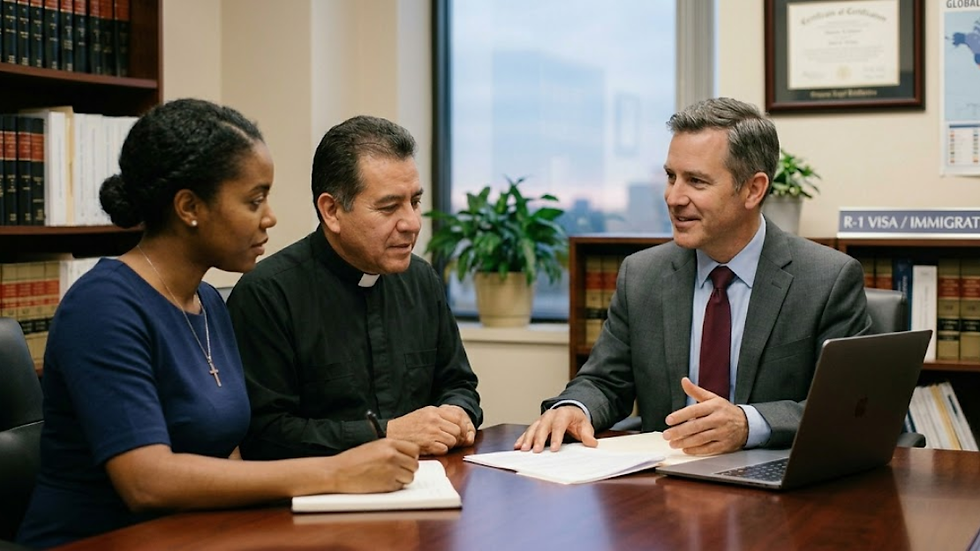
Bringing a dedicated pastor, monastic, spiritual leader, or religious professional to serve a community in the United States is an inspiring milestone for any faith-based organization. However, the spiritual momentum of welcoming a new leader often hits a complex wall of federal regulations. The R-1 nonimmigrant visa is the primary legal avenue designed to allow foreign nationals to enter the U.S. temporarily to work at least part-time in a religious occupation.
While the intent behind this pathway is to support religious diversity and community growth, the operational reality of securing an approval from U.S. Citizenship and Immigration Services (USCIS) is incredibly demanding. Because federal agencies aggressively audit faith-based filings to prevent fraud, partnering with an experienced R-1 religious worker visa lawyer is your most critical step to avoid extensive processing delays and safeguard your spiritual mission.
Navigating the Strict Evidentiary Demands and Mandatory Fraud Site Audits
Many religious organizations treat the visa petition like a routine, administrative clerical task. This strategic miscalculation routinely leads to long processing delays. USCIS adjudicators evaluate religious petitions under a strict legal microscope, and they do not defer to a religious denomination's internal definitions of ministry.
A tactical R-1 religious worker visa lawyer systematically structures your case file to satisfy these strict statutory high hurdles:
The 501(c)(3) Tax-Exempt Status Verification: The government demands irrefutable, current proof of your organization’s bona fide, non-profit religious status. For independent ministries or those operating under a group ruling, verifying this tax status requires extensive corporate documentation.
The Two-Year Membership Rule: You must prove the beneficiary has been a member of the exact same religious denomination for at least two full years immediately preceding the filing.
The Compensation Framework: USCIS heavily scrutinizes how the worker will be supported. Whether the position is salaried or relies on a traditional self-support format, your financial books, budgets, and bank statements must demonstrate an undeniable ability to sustain the worker.
Failing to present this financial data correctly can instantly trigger a timeline-freezing Request for Evidence (RFE). Furthermore, first-time petitions are subject to mandatory, unannounced pre-approval site inspections. An expert R-1 religious worker visa lawyer prepares your leadership for these strict site audits, ensuring your physical premises and organizational records match your petition perfectly before a government inspector arrives.
Why You Need a Proactive R-1 Religious Worker Visa Lawyer Today
The operational environment at federal immigration desks features heavy subjective scrutiny. Adjudicators actively investigate whether a position is truly a "religious occupation" requiring specific theological training, or if the duties are secretly administrative or secular.
A specialized R-1 religious worker visa lawyer acts as your frontline organizational strategist. They construct robust legal briefs, align denominational bylaws with federal immigration definitions, and front-load your file with undeniable equities to protect your community's timeline.
Do not let rigid immigration bureaucracy bottleneck your fellowship's growth or disrupt your spiritual leadership.
Secure a comprehensive status audit today to safely anchor your global ministry's mobility roadmap.


Comments